
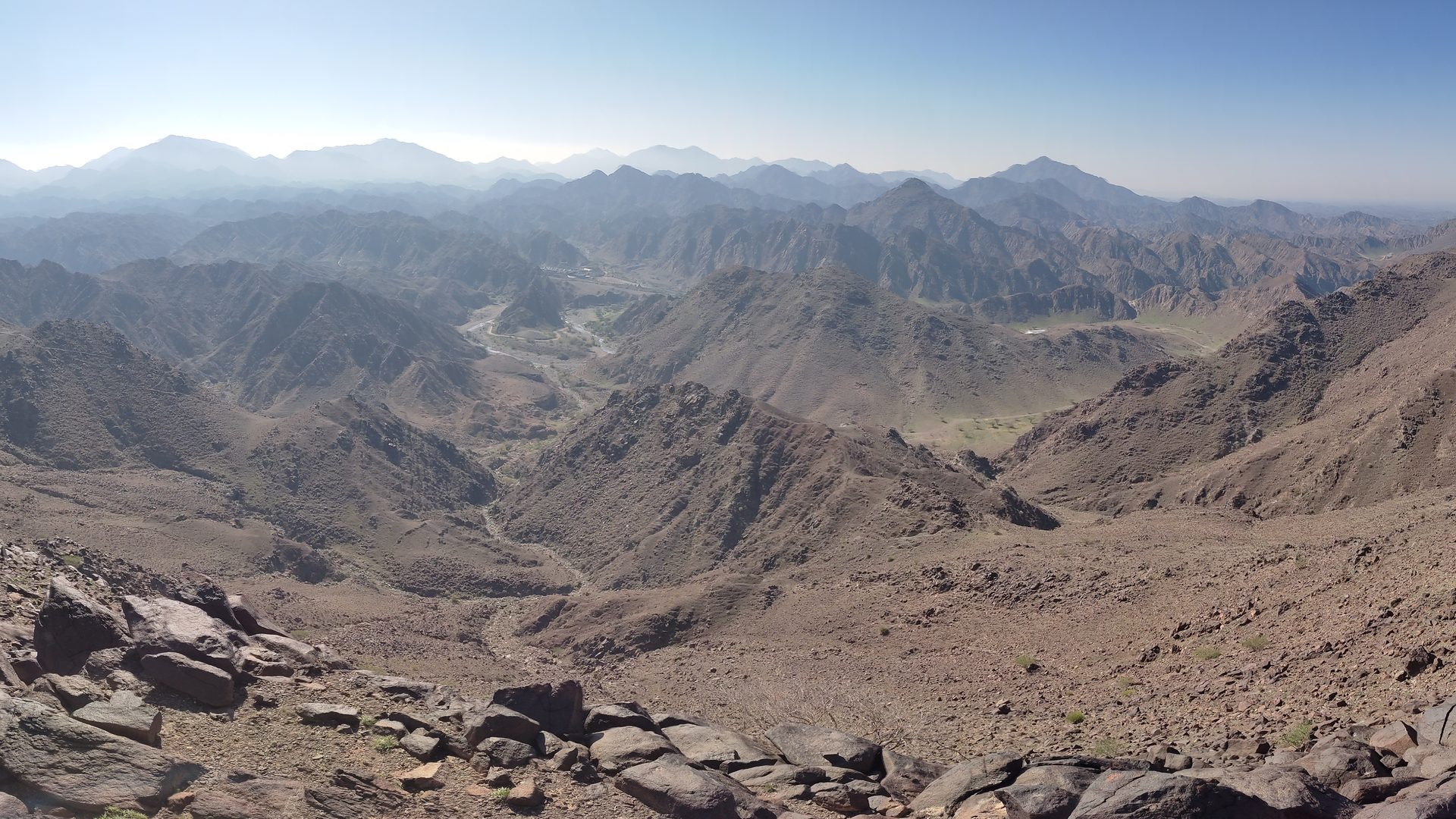
Natural hydrogen.
Made into ammonia.
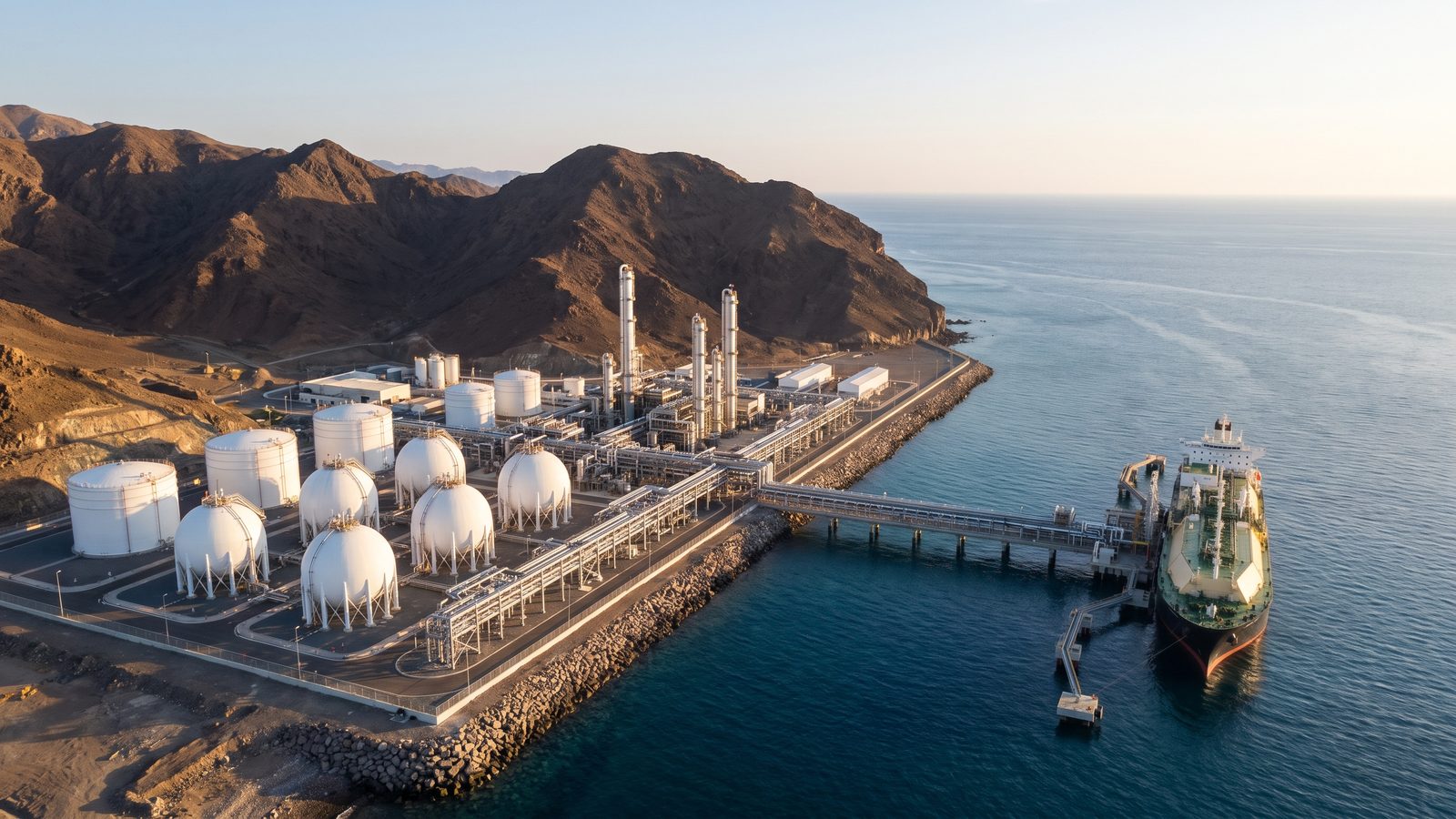
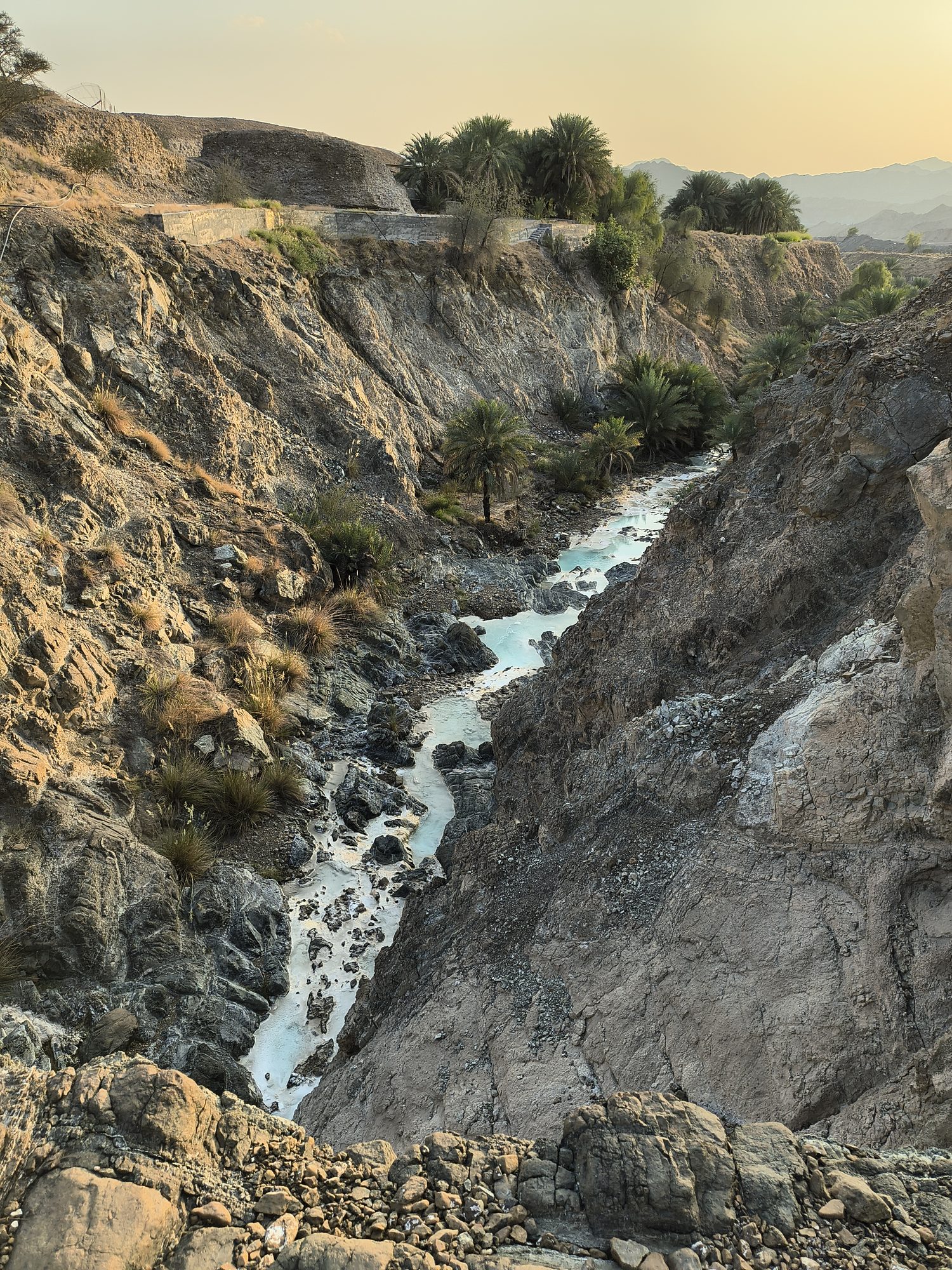
The Hajar mountains behind Fujairah make hydrogen on their own. GeoNitra turns it into low-GHG ammonia on the Gulf of Oman coast, beside the ships that carry it to the world.
Clean ammonia costs whatever its hydrogen costs.
Almost all of the world’s ammonia is made from fossil gas, and clean hydrogen is expensive wherever it has to be manufactured. GeoNitra starts from hydrogen the rock has already made, so the most costly and carbon-heavy part of an ammonia plant is never built.
The opportunity.
A molecule the world already ships.
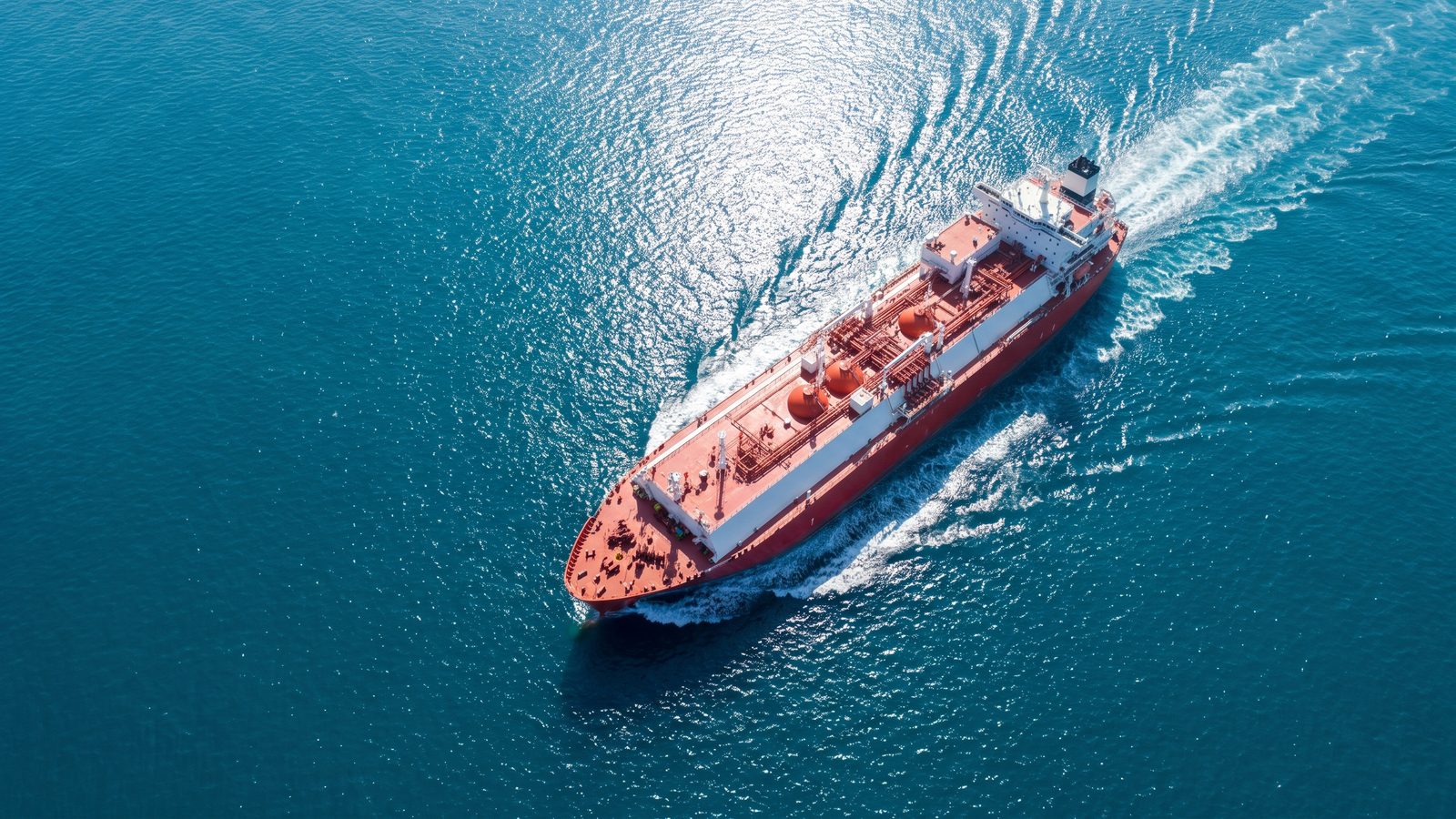
Ammonia feeds about half the planet and is being built into the shipping fuel mix. It already moves by sea in gas carriers, through terminals and bunkering ports that exist today.
The opening is the feedstock. Clean ammonia made with electrolytic hydrogen runs at $700 to $1,000 or more a tonne, and almost all of that premium is the hydrogen. A plant that starts with hydrogen from the ground changes that equation.
Three steps, not six.
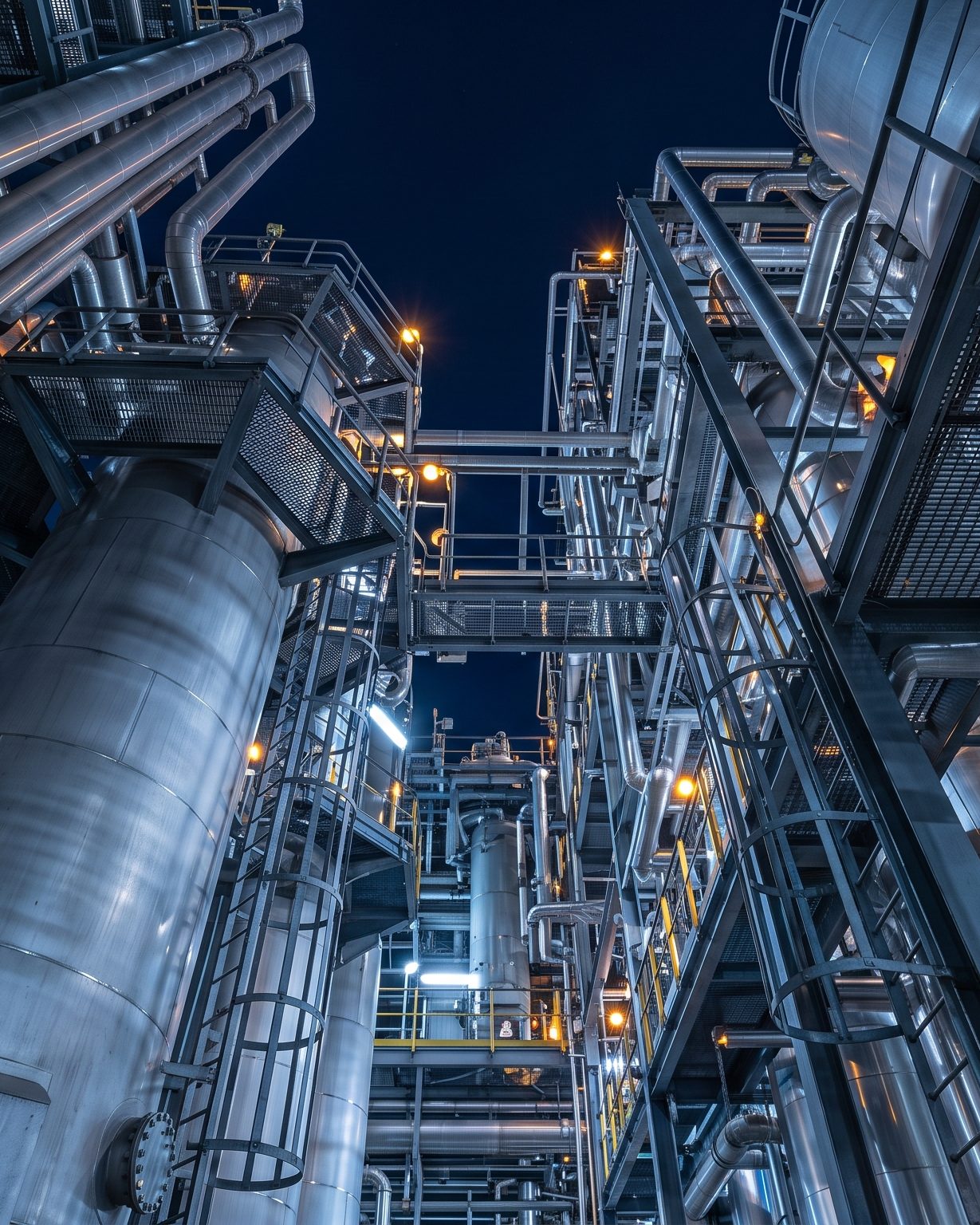
A conventional ammonia plant spends most of its capital, most of its fuel and all of its carbon on one job: tearing hydrogen out of methane. Two reformers, shift reactors, CO₂ removal and methanation all run before any ammonia is made.
We start where they finish. The hydrogen arrives already made, so the plant treats the gas, takes nitrogen from the air and runs the synthesis loop.
- INNatural gas + steamCH₄, H₂O
- 01Primary reformer~850 °C, firedCO₂
- 02Secondary reformer~1,000 °C, air in
- 03Shift reactorsCO → CO₂
- 04CO₂ removalAmine washCO₂
- 05MethanationTrace CO clean-up
- 06Synthesis loopN₂ + 3H₂ → 2NH₃
- OUTAmmoniaNH₃
- INHydrogen from the groundMade by the rock
- 01Gas treatmentDry, purify, compress
- No reformers, no shift, no CO₂ removalThe front end of the plant is not built
- 02Air separationN₂ from air
- 03Synthesis loopN₂ + 3H₂ → 2NH₃
- OUTAmmoniaNH₃
The synthesis loop is the same proven technology on both routes; what changes is everything before it. The synthesis itself makes no CO₂. The compressors and the air-separation unit run on power, so the plant’s footprint follows its electricity supply.
Where the rock meets the deep water.
The ophiolite that makes the hydrogen runs under the Hajar mountains. The jetties are on the Gulf of Oman, outside the Strait of Hormuz, at one of the world’s largest bunkering ports.
Feedstock and export share the same stretch of coast, with no long hydrogen pipeline in between.
The hydrogen is already there.
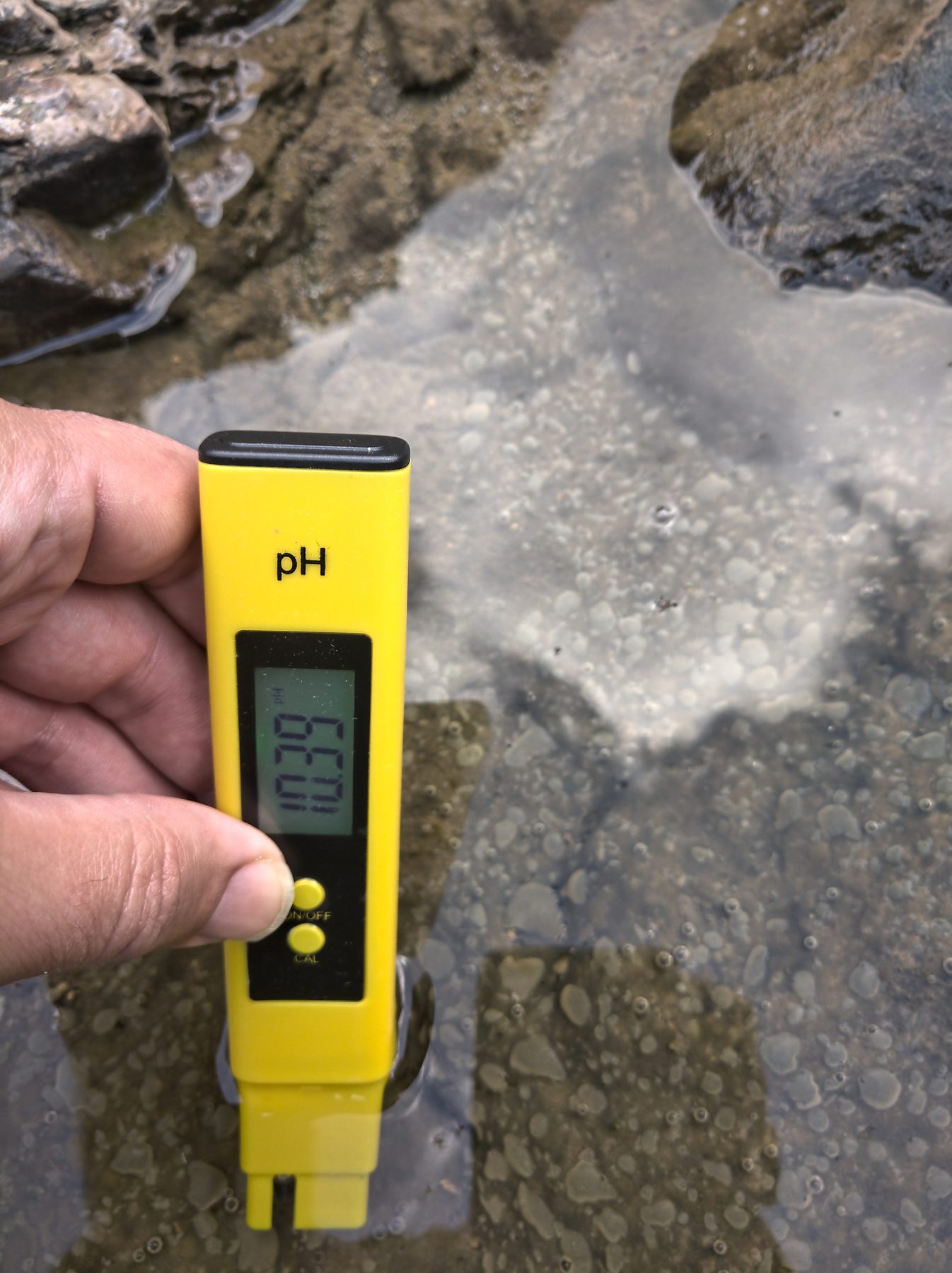
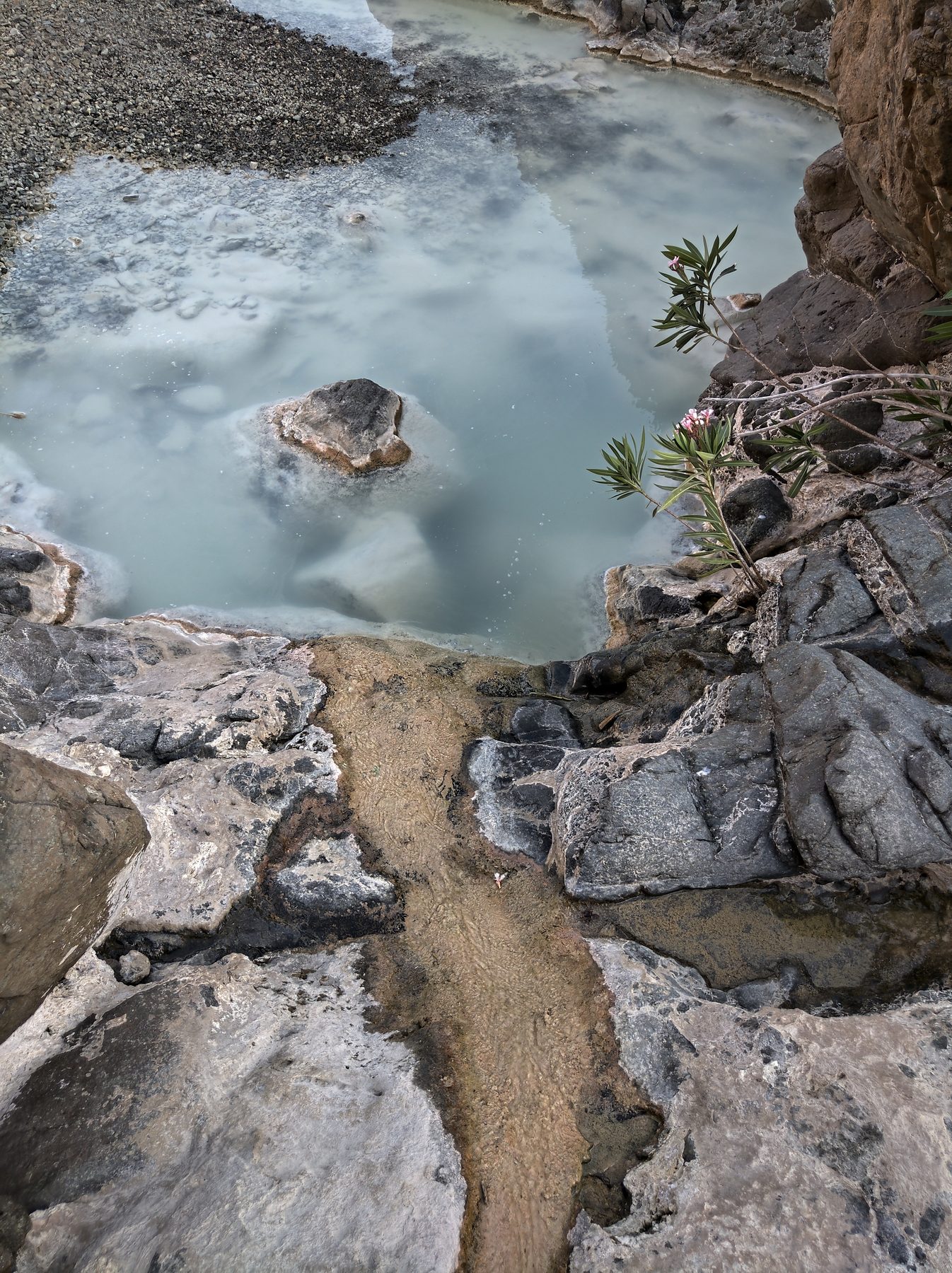
The Hajar mountains are mantle rock brought to the surface, one of the great ophiolite exposures on earth. Where water meets that rock it serpentinises, and serpentinisation makes hydrogen: continuously, for as long as the rock and the water keep meeting. Hydrogen-bearing springs and seeps are documented along this belt.
Everything difficult about clean ammonia is the hydrogen, and here nature has already done that part. Our work is above ground: gather it, clean it, and turn it into a molecule the world already ships by the million tonnes.
Let’s talk.
If you buy ammonia, license synthesis technology, build plants or invest in energy infrastructure, and want to be early to a feedstock nobody else is using yet, we would like to hear from you.